
// COMMERCIAL CONSTRUCTION
Industrial Construction in Kane & DuPage Counties
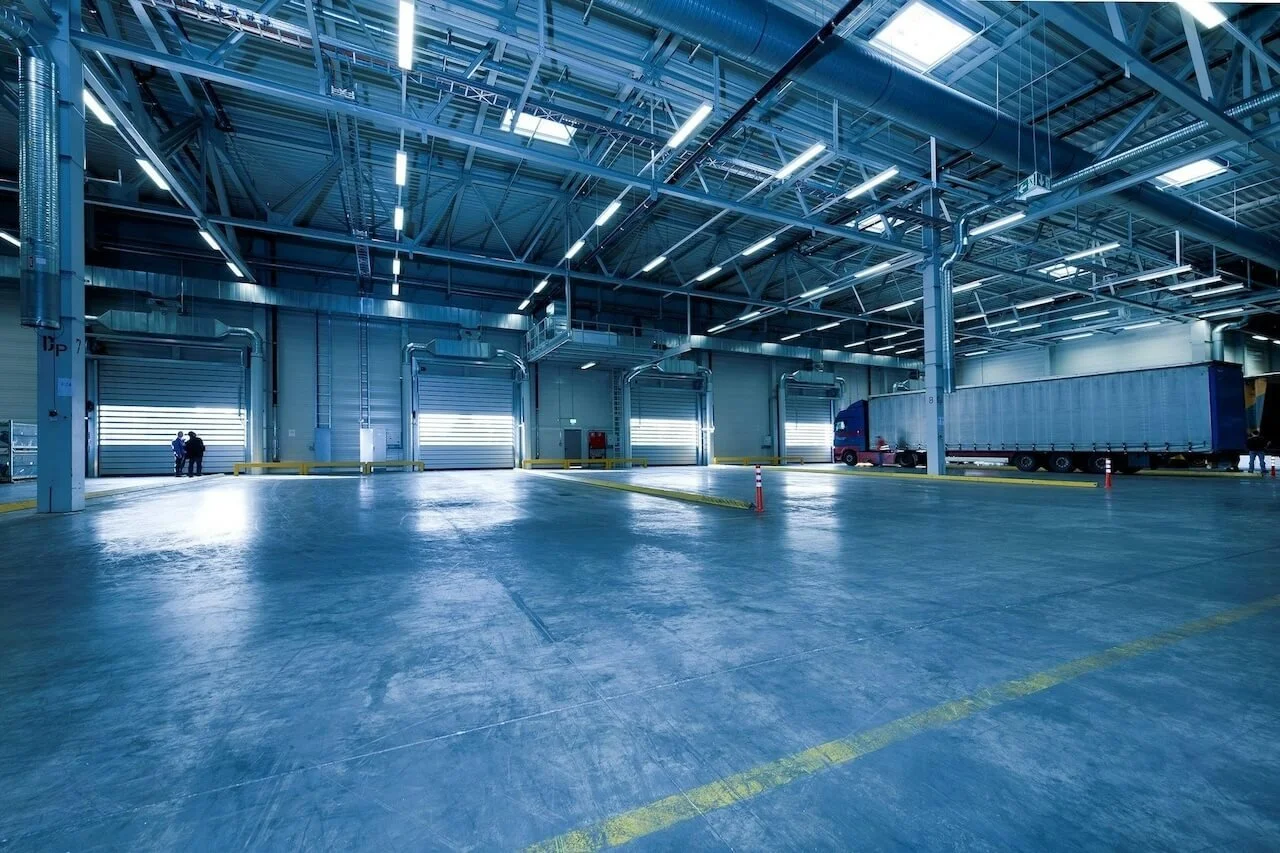
Build the warehouse, manufacturing facility, or industrial space your operations require.

✓ LICENSED & INSURED
✓ 20+ Years Experience
✓ Serving Kane & Nearby Counties
Industrial Projects Built Right From the Start
Industrial construction means coordinating heavy equipment, specialized systems, and structural requirements most contractors never touch. You need large-scale foundations, steel frame construction, overhead cranes for RTU installation, and construction that doesn't stop your operations if you're expanding an existing facility.
I've been doing this for over 20 years, and I've learned that industrial builds require a different level of coordination. The equipment is heavier, the timelines are tighter, and the stakes are higher when your production schedule depends on us finishing on time.
So we spend real time on the front end making sure we understand your operational needs. We'll discuss dock door locations, floor load requirements, utility capacity, and how to sequence the work so you can keep running if this is an expansion. When the scope is clear and the requirements are mapped out, the construction phase goes smoothly.
Plus, you'll have my direct involvement from site assessment to final inspection. I give you my cell number, and you get responses within hours when questions come up. We coordinate every trade, handle all the specialized requirements, and make sure your facility is built to support your operations for decades.
That's how it should be.
WHAT'S INCLUDED IN YOUR INDUSTRIAL BUILD
✓ Site Preparation
Excavation, grading, retention systems, utility coordination, and foundation work sized for your equipment and operational requirements.
✓ Steel Construction
Full structural steel framing, crane-lifted installations, and heavy-duty building systems designed for industrial use and equipment loads.
✓ Code Compliance
Fire safety systems, sprinkler installation, occupancy requirements, ADA standards, and all permits are handled correctly from the start.
✓ Dock Systems
Loading dock doors, levelers, seals, and access points are positioned for your material flow and transportation needs.
✓ Utility Integration
High-capacity electrical service, compressed air systems, industrial plumbing, and specialized utilities your operations require.
✓ Industrial HVAC
Crane-lifted RTU systems, commercial-grade heating and cooling designed for large spaces, and ventilation systems that meet your operational requirements.
A PROVEN INDUSTRIAL CONSTRUCTION PROCESS
-
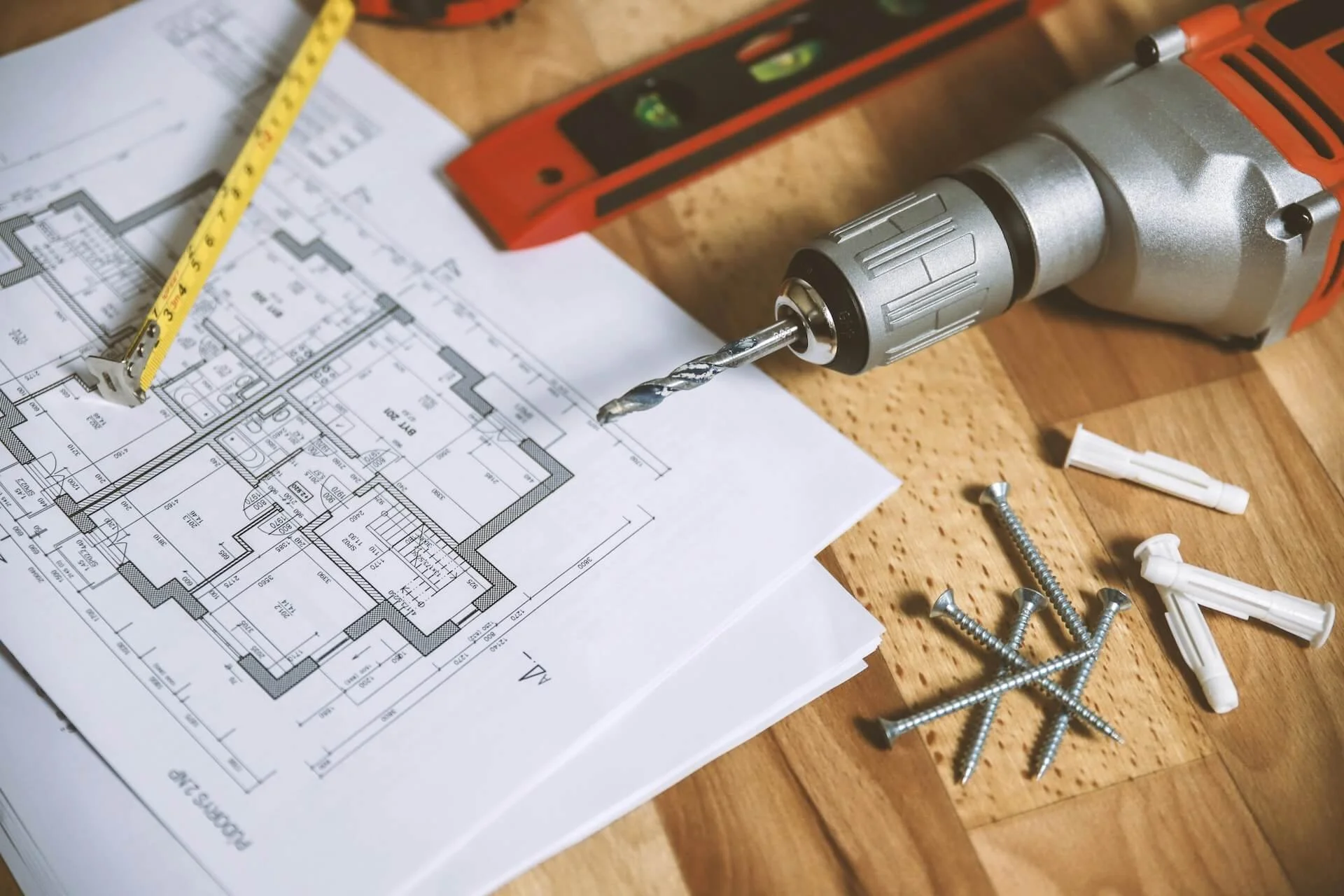
We meet at your site or facility to discuss your operational needs and assess what's involved. I'll ask about your equipment, material flow, utility requirements, and timeline constraints. You'll leave with a clear understanding of what's possible and what permits and engineering work need to happen before construction starts.
-
We work with your architect and engineers to review structural plans, identify site challenges, and coordinate specialized systems. This is where we map out foundation requirements for heavy equipment, plan dock locations for your workflow, and schedule utility installations. The goal is identifying any complications now, not during construction.
-
You'll get detailed costs based on actual steel, concrete, and specialized system pricing. I'll explain what's included in each phase, what variables might affect the timeline, and answer your questions directly. If you need to adjust scope to meet budget, we'll discuss options that make sense for your operations.
-
I coordinate all the specialized trades, from steel erectors to crane operators to industrial electricians. If this is an expansion, we'll work around your production schedule. You'll get regular updates at major milestones, and if anything changes, you hear about it immediately.
-
We walk through together and address every item on the punch list. The project isn't complete until your facility is ready for operations and you're satisfied with the work. All documentation, warranties, and occupancy certificates are handled before we consider the project finished.
Types of Industrial Facilities We Build
-
Warehouse Construction
Clear-span buildings with high ceilings, loading docks, overhead doors sized for semi access, and utility systems designed for storage and distribution operations.
-
Manufacturing Facilities
Heavy-duty floor systems, equipment foundations, high-capacity electrical service, and building layouts designed around your production workflow and machinery placement.
-
Cold Storage Buildings
Insulated structures with specialized HVAC systems, loading dock seals, and construction designed for temperature-controlled storage and refrigeration equipment.
-
Service Facilities
Vehicle access, equipment pits, compressed air systems, heavy-duty electrical service, and workspace layouts designed for maintenance and repair operations.
-
Distribution Centers
Large-scale buildings with multiple loading zones, high-volume material handling systems, office space integration, and layouts optimized for logistics and shipping operations.
-
Industrial Expansions
Additions to existing facilities with structural tie-ins, utility extensions, and construction sequenced to minimize disruption to your current operations.
Why INDUSTRIAL COMPANIES Choose Talon CONSTRUCTION

Direct Access
Jon works with you personally
Transparency
Know your costs ahead of time

Responsiveness
Get questions answered quickly

Local Expertise
20+ years in Chicago suburbs
// FAQs
-
Industrial construction costs depend on building size, structural requirements, specialized systems, and site conditions. A 10,000 square foot steel frame warehouse costs less than a 40,000 square foot facility with heavy equipment foundations and specialized utilities. When we meet, I'll provide realistic cost information based on your actual operational needs and building requirements.
When we meet, I'll give you realistic pricing based on your specific project, not general estimates.
-
Timeline depends on building size, permitting requirements, and site complexity. A straightforward warehouse might take 4-6 months from permits to occupancy, while a complex manufacturing facility could take 8-12 months or longer. Permit approval alone can take 6-8 weeks in Kane and DuPage Counties. During our consultation, I'll give you a realistic timeline based on your specific project.
-
Industrial projects require building permits, electrical permits, plumbing permits, and often specialized approvals for fire safety systems, sprinklers, and occupancy. Site work may need additional permits for grading, retention systems, or utility connections. We handle all permit applications and coordinate inspections throughout construction so you don't have to manage that process.
-
Yes, we've handled projects where businesses need to keep operating during construction. That affects scheduling, access points, noise management, and how we sequence the work. We can work weekends, adjust hours to avoid your production times, and coordinate deliveries around your operations. The key is discussing those needs upfront so we can plan accordingly.
-
Yes, we work with union contractors and representatives when projects require it. Depending on the location and scope in Kane or DuPage Counties, some industrial builds involve union labor. We coordinate with the appropriate trades and handle those relationships so the project moves forward smoothly.
-
Industrial facilities typically use rooftop units instead of residential-style furnaces. These RTU systems are massive units that require crane installation, specialized electrical service, and commercial-grade infrastructure. They're designed for large open spaces and higher capacity demands than standard HVAC. We coordinate crane lifts, electrical tie-ins, and all the specialized work these systems require.
-
Heavy equipment requires engineered foundations sized for the equipment loads, vibration isolation if needed, and anchor bolt placement that matches manufacturer specifications. We work with structural engineers to design foundations that support your machinery properly. The concrete work, reinforcement, and curing time all factor into the construction schedule.
-
I've been in construction for over 20 years and have the contacts and coordination skills to handle industrial builds. While I don't specialize exclusively in industrial work, I understand the structural requirements, trade coordination, and specialized systems these projects involve. If it's on plan and the scope makes sense for my operation, I can execute it properly.
Let’s talk about YOUR INDUSTRIAL PROJECT
Get expert guidance on structural requirements, permits, and realistic timelines before you commit to plans or pricing.